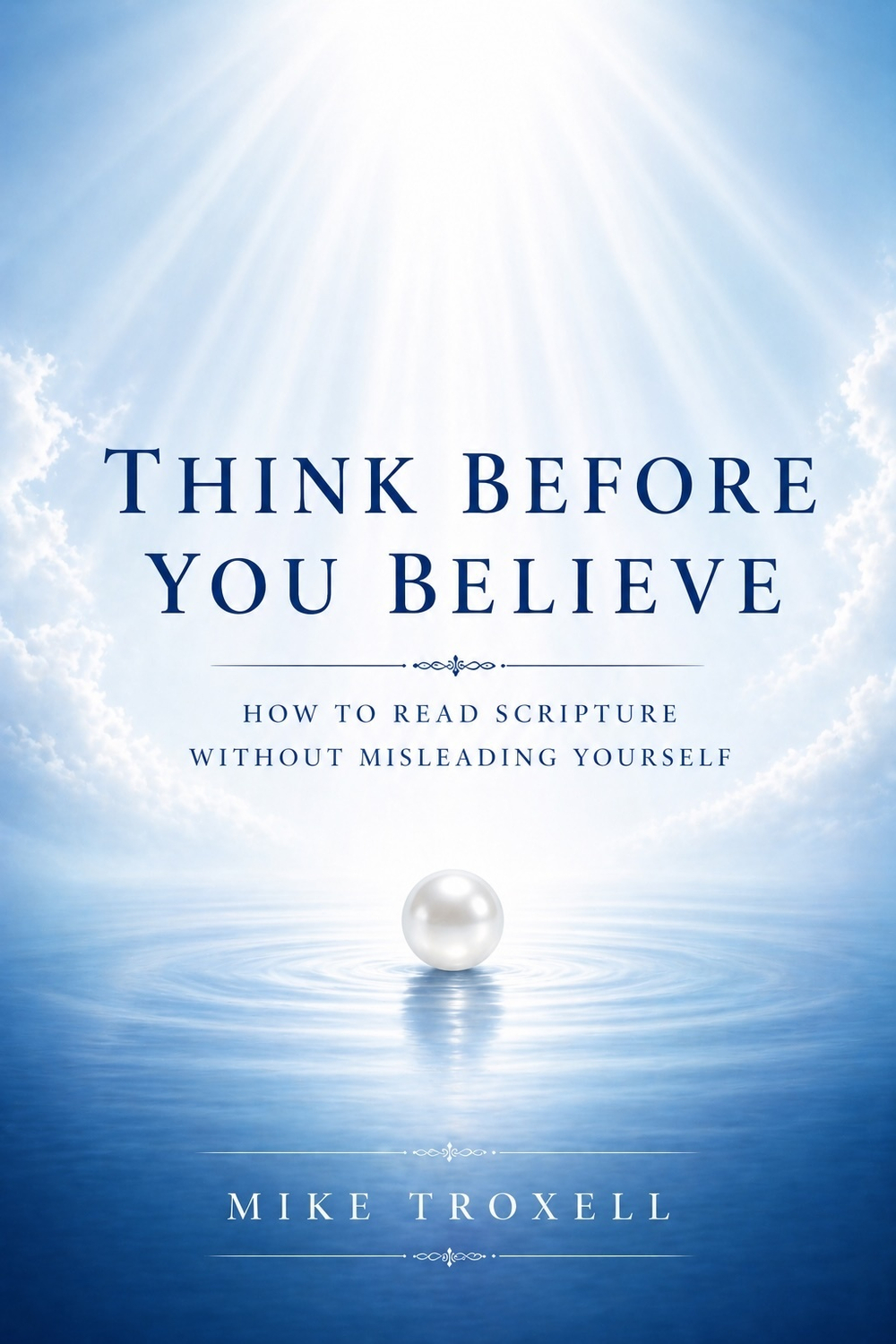
A CLEARER WAY TO READ SCRIPTURE...
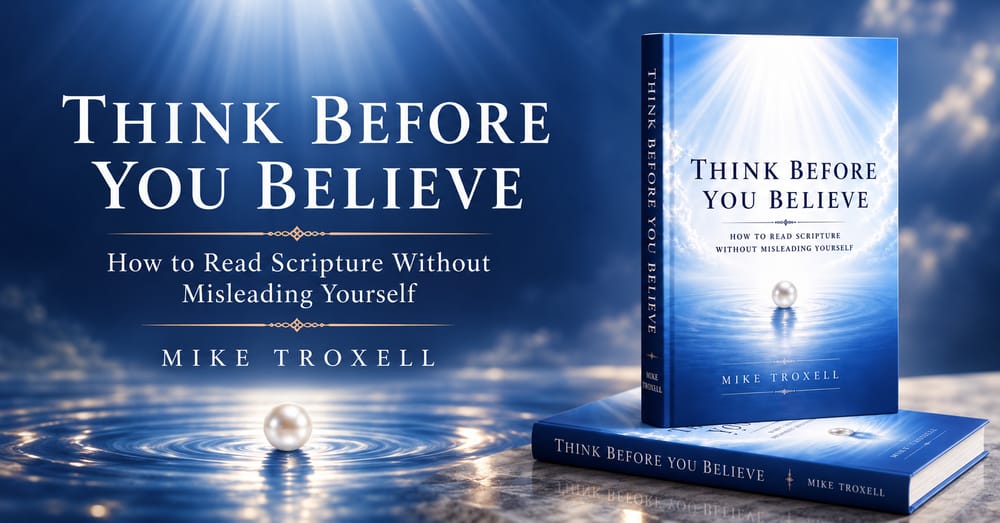
"THINK BEFORE YOU BELIEVE
How to Read Scripture
Without Misleading Yourself"
You can love the Bible, read it sincerely — and still misunderstand it.
What if the problem isn't that Scripture is impossible to understand,
but that
most of us were never taught
how to read it well?
Think Before You Believe
gives ordinary readers practical tools for
- Seeing what the text actually says
- Recognizing assumptions
- Making connections
- Reaching conclusions they can defend for themselves.
You were probably taught what to believe. Were you ever taught how to test it?
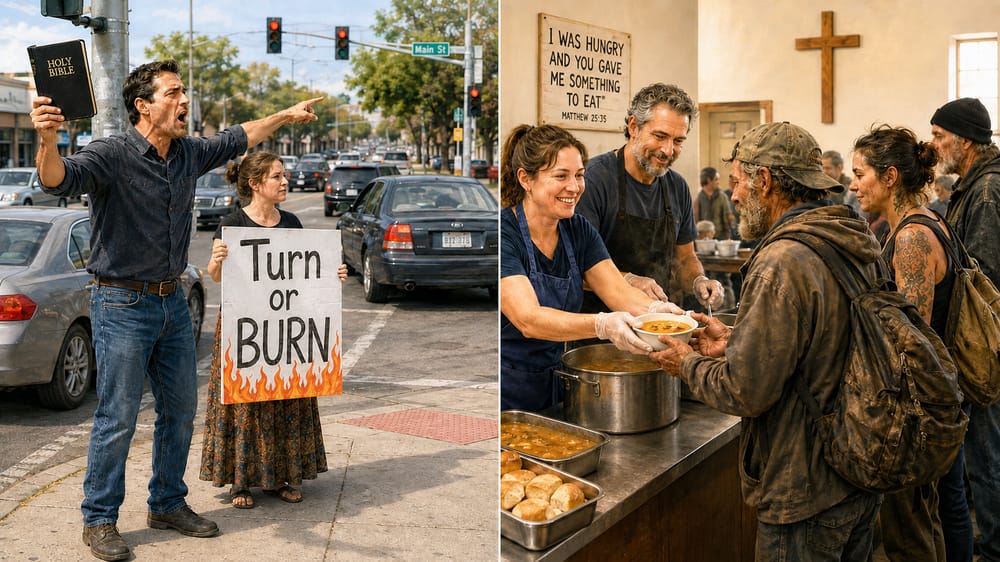
WHY DO SINCERE PEOPLE READ THE SAME BIBLE-
AND REACH DIFFERENT CONCLUSIONS?
Two people can read the same verse.
Both can be intelligent.
Both can be sincere.
Both can love God.
And they can walk away
believing completely different things.
So what happened?
Most of us learned conclusions before we learned
where those conclusions came from.
We were handed interpretations
by people we trusted.
We memorized them. Repeated them. Built other beliefs on top of them.
That isn't a failure on your part.
If nobody ever taught you how to examine an interpretation
for yourself, how were you supposed to know?
But you can learn now.
Think Before You Believe shows you how.
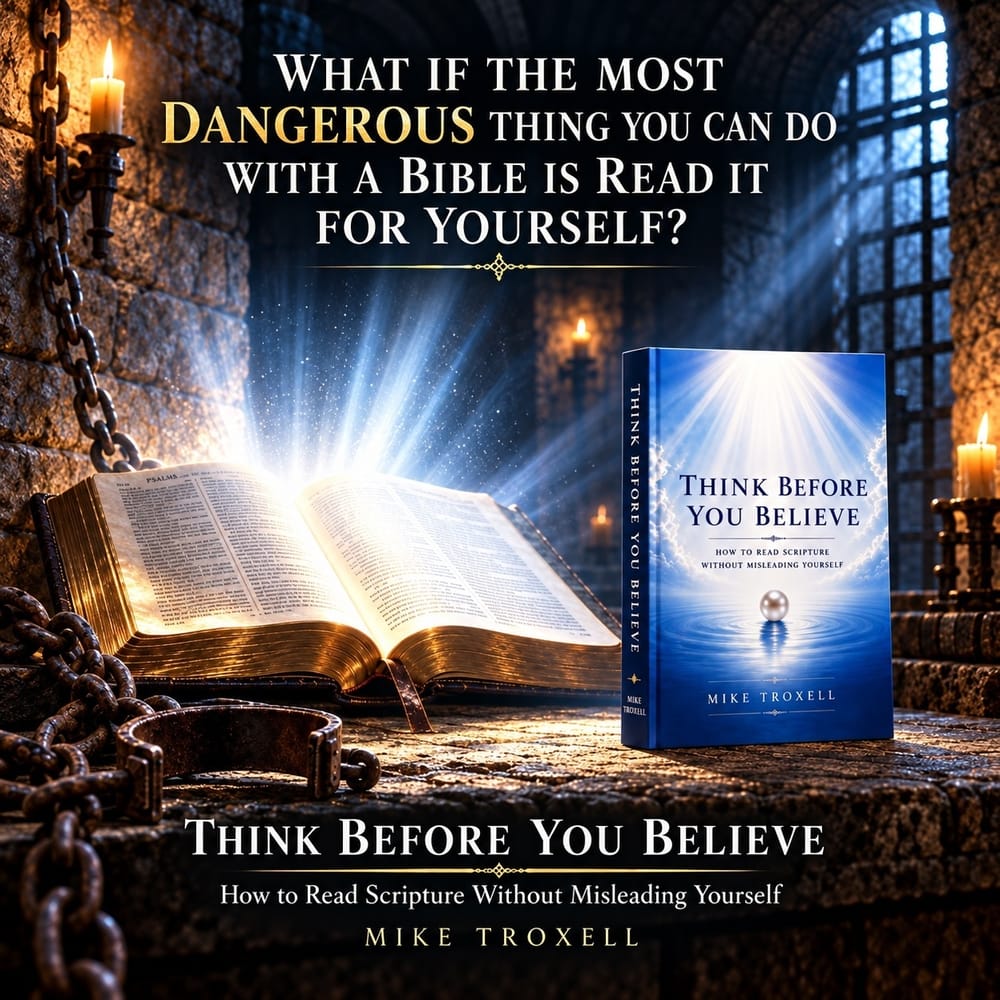
THEY DON'T HAVE TO TAKE YOUR BIBLE
TO KEEP YOU DEPENDENT.
For centuries, access to Scripture was contested.
Books were chained. Translations were forbidden. People were interrogated, imprisoned, exiled, and sometimes killed in conflicts over who could
read, translate, interpret, and teach the text.
Today, nobody has to lock your Bible away.
You can carry it in your pocket and still depend completely
on someone else to tell you what it means.
A pastor.
A denomination.
A favorite teacher.
A commentary.
A study Bible.
An algorithm.
And sometimes religious systems
are much more comfortable giving you
"the answer"
than teaching you
how to examine the reasoning behind it.
But interpretation
is not magic.
Think Before You Believe teaches you those methods.
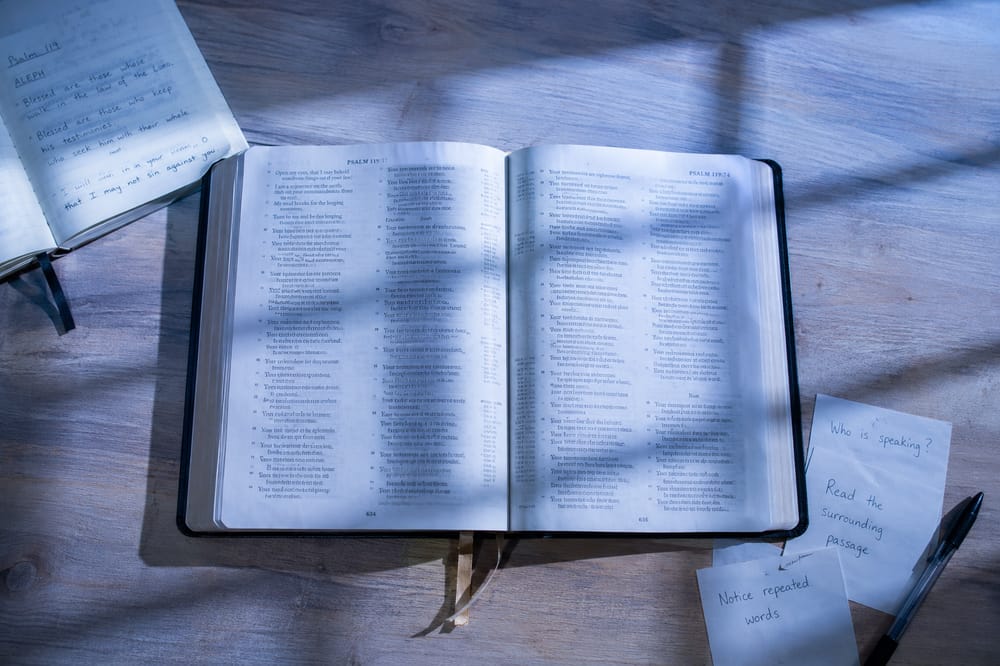
Every word matters.
Every passage connects.
Context changes everything.
YOU CAN LEARN
TO DO THIS YOURSELF.
You do not have to become a scholar.
You do not have to know Greek and Hebrew.
You do not have to trade one authority figure for another.
You can learn to ask:
What does the text actually say?
What is the context?
What am I assuming?
What does the writer's argument require?
What other passages connect to this one?
Does my conclusion fit the evidence—or am I making the evidence fit my conclusion?
These are learnable skills.
And once you learn them, you begin reading differently.

THE PEARL
What is worth everything?
Jesus told a story about a man who found a pearl
so valuable
that he sold everything to have it.
Before he could understand its value,
he had to recognize what he was looking at.
Truth can be like that.
Sometimes the most important step is
learning how to see what was already there.
That is the invitation behind Think Before You Believe:

LOOK AGAIN

ASK BETTER QUESTIONS

FOLLOW EVIDENCE

RECOGNIZE THE PEARL
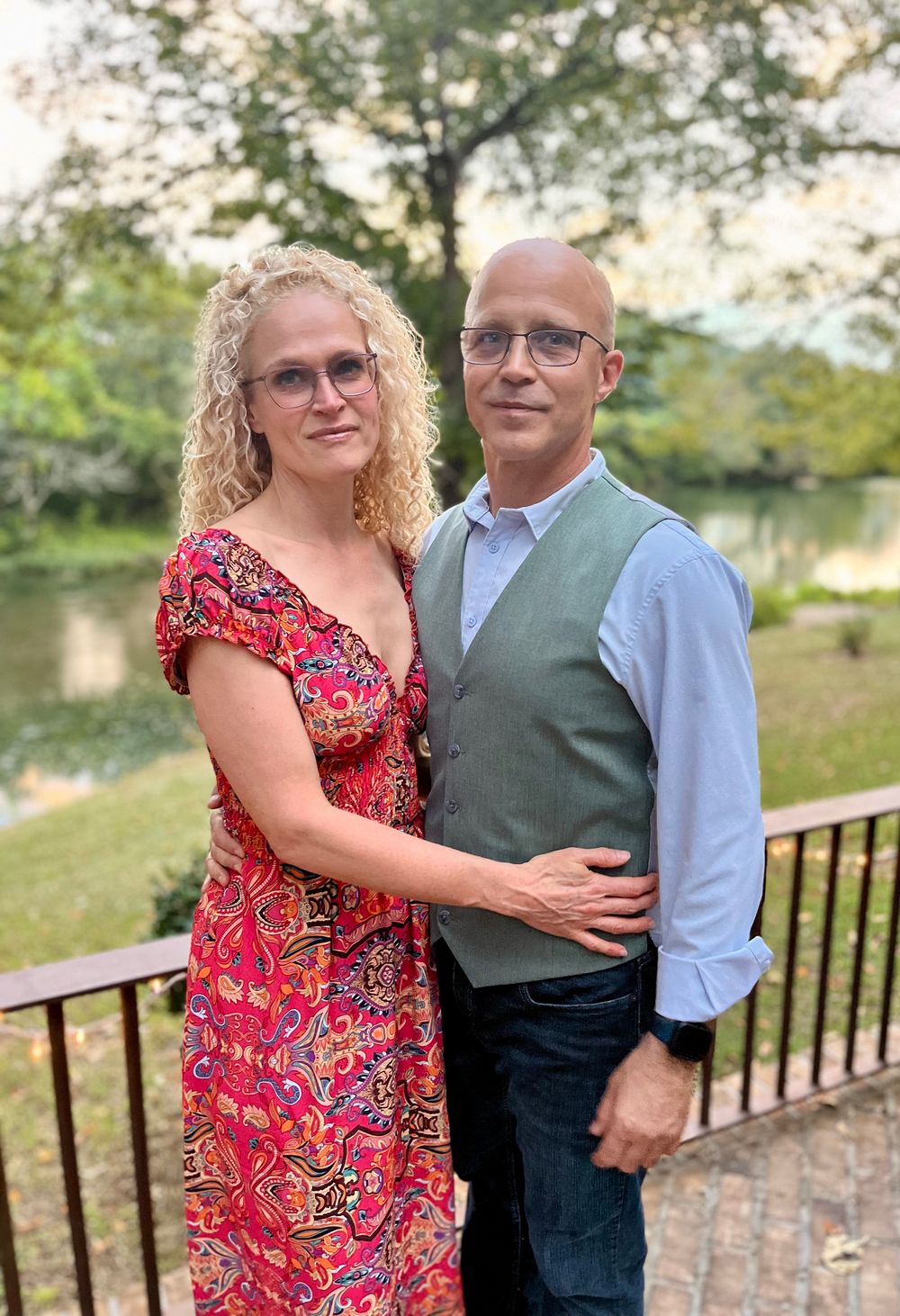
I HAD TO LEARN TO READ IT FOR MYSELF, TOO.
I didn't write this book because
I've always gotten Scripture right.
I wrote it because I know how easy it is to
inherit an interpretation,
trust the people who taught it to you, and never realize how many
assumptions
were already in place
before you opened the Bible.
At some point, I had to start asking a harder question:
Am I seeing what Scripture says —
or what I already expect it to say?
assumptions
were already in place
Think Before You Believe
grew out of learning to ask that question more carefully-
and wanting other people
to have practical tools for doing the same.
YOU CAN LEARN THIS TOO.
What People Are Saying:

Denise Mung
Great read! The Lord's word is such a beautiful treasure and this book would be a great treasure as a gift for the new follower in Christ.

Ginger B
Quick, easy read. Makes you stop and think about how you’ve been studying the Bible, and inspires you to read it again with more open eyes. Totally recommend!

J. Ryan Mosley
Inspirational!

Pastor Hayward & Donna C
This little book would be great for ministers, lay people, and youth. It takes a great view of God's Word and brings it home to you and makes it personal. Anytime your eyes are opened to the Word, you can't help but sense a closeness to God.
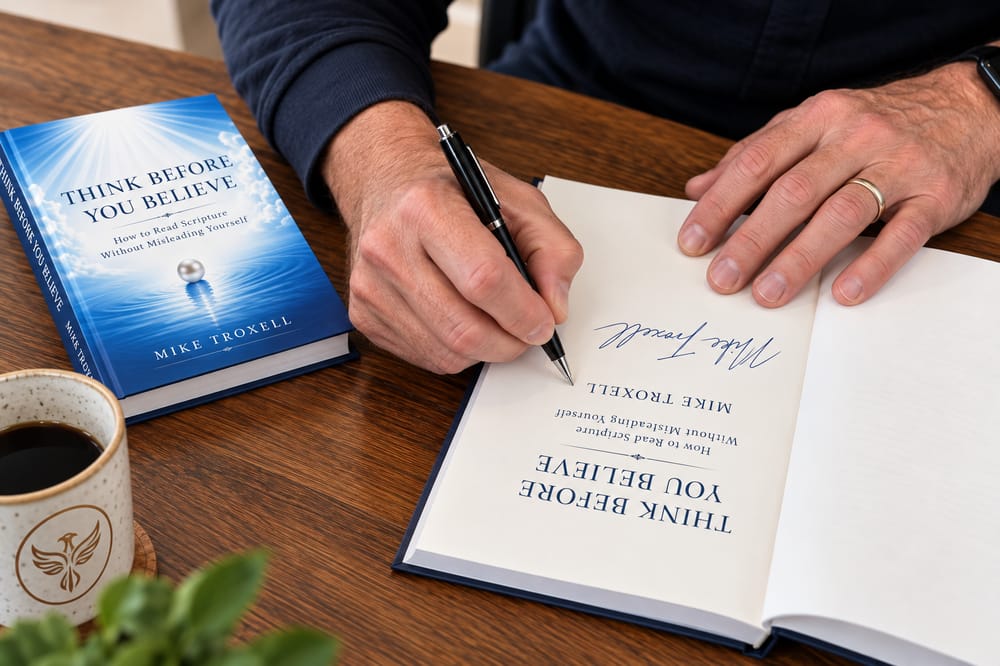
A BOOK TO
READ, MARK, QUESTION,
AND RETURN TO
Think Before You Believe is practical, readable, and
designed for ordinary people
who want to study Scripture more carefully.
YOU CAN LEARN THIS FOR YOURSELF.
You do not need to become a theologian.
You need a way to examine the text,
test your assumptions,
and follow the evidence.
FROM INSIDE THE PAGES....
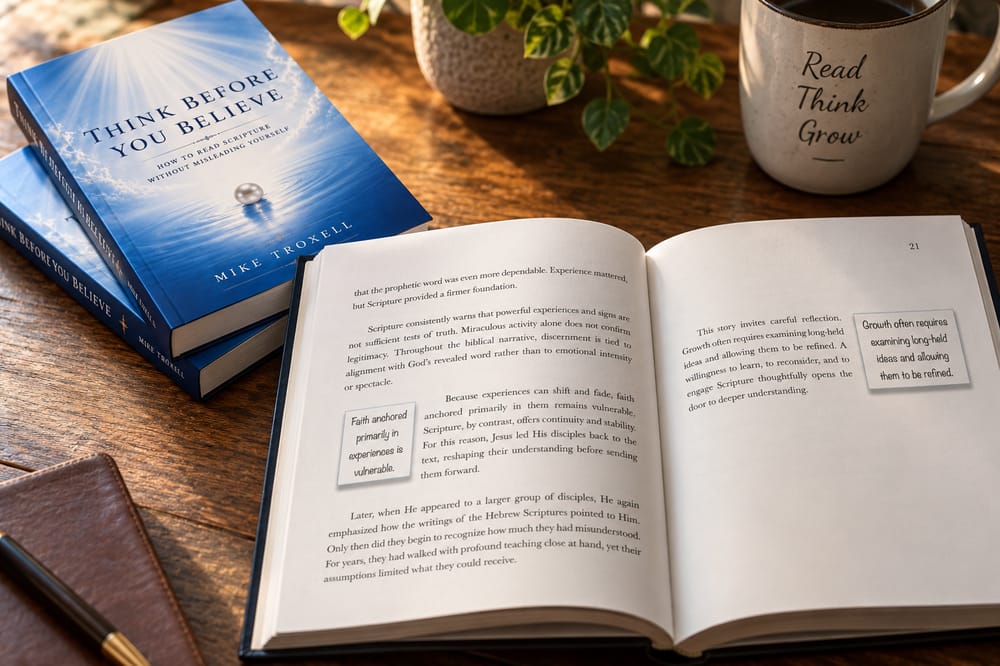
How do you walk with Jesus-and still misunderstand Him?
Why do sincere people read the same Bible
and come to completely different conclusions?
Those questions aren't theoretical.
Even the people who
walked beside Jesus, heard Him teach, watched what He did, and
believed they understood His mission
could still misread what was happening in front of them.
The problem wasn't lack of exposure.
It was interpretation.
Their expectations
shaped what they saw.
And ours can too.
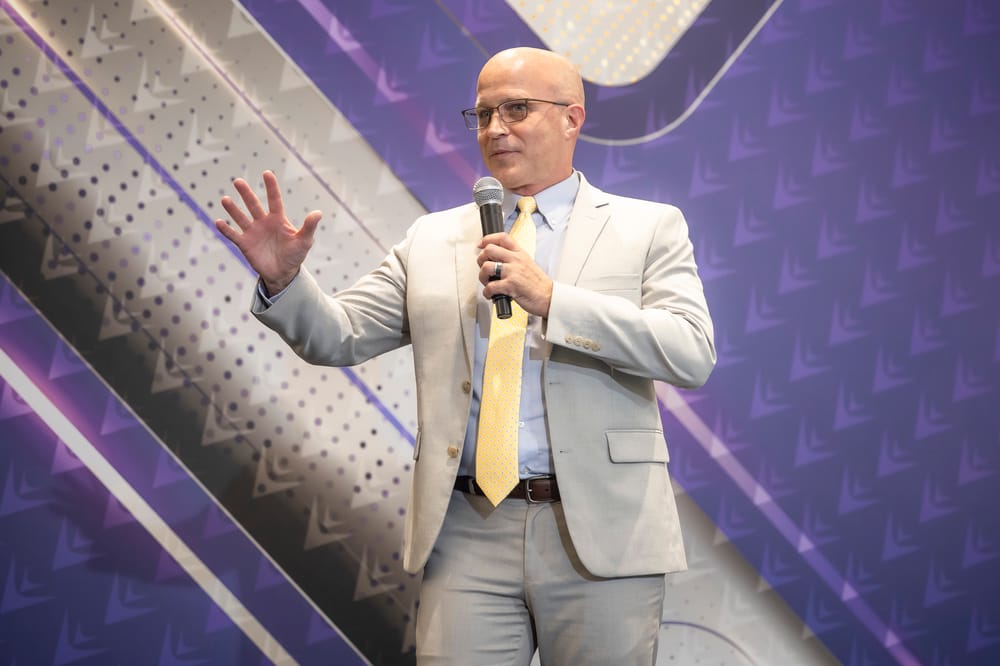
ABOUT THE AUTHOR
Mike Troxell is a speaker, teacher, and lifelong student of Scripture with a passion for helping people read the Bible carefully and confidently.
For decades, he has studied
the patterns, themes, and connections
woven throughout Scripture.
His approach invites readers to
slow down, examine their assumptions,
test their conclusions, and
allow the text to speak for itself.
YOU HAVE THE BIBLE.
NOW CLAIM THE TOOLS
TO READ IT FOR YOURSELF.
They can give you conclusions.
You can learn to test them.
They can tell you what a passage means.
You can learn to examine why.
They can ask you to trust their interpretation.
You can learn to follow the evidence yourself.
Read carefully.
Recognize your assumptions.
Make the connections.
Build conclusions you can defend.
You don't have to surrender
your understanding to someone else...
Their expectations
shaped what they saw.
© Copyright 2026 www.transformationship.com-All rights reserved